

News


Looking for additional methods to stop allergens from inhabiting your home? Field Plumbing & Heating has a team of home comfort experts ready to find the perfect solution for your lifestyle.
Continue Reading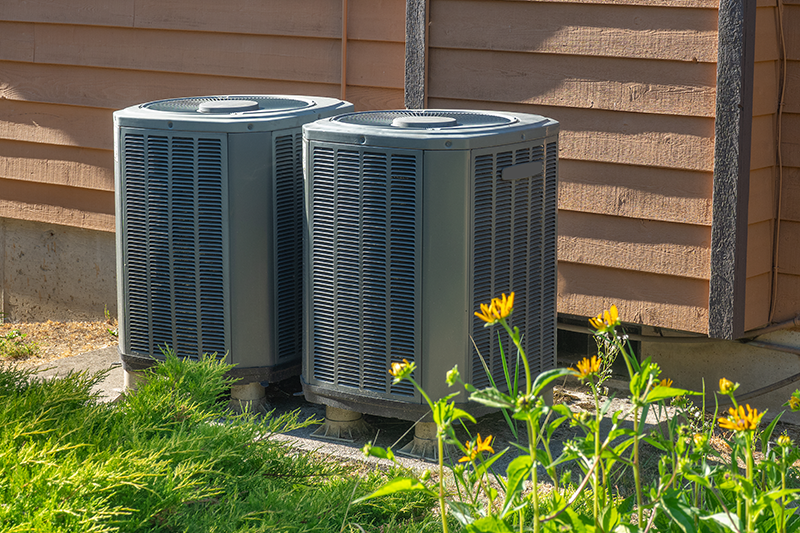
You decided to part ways with your old air conditioning (AC) system. It is not always an easy decision to make.
Continue Reading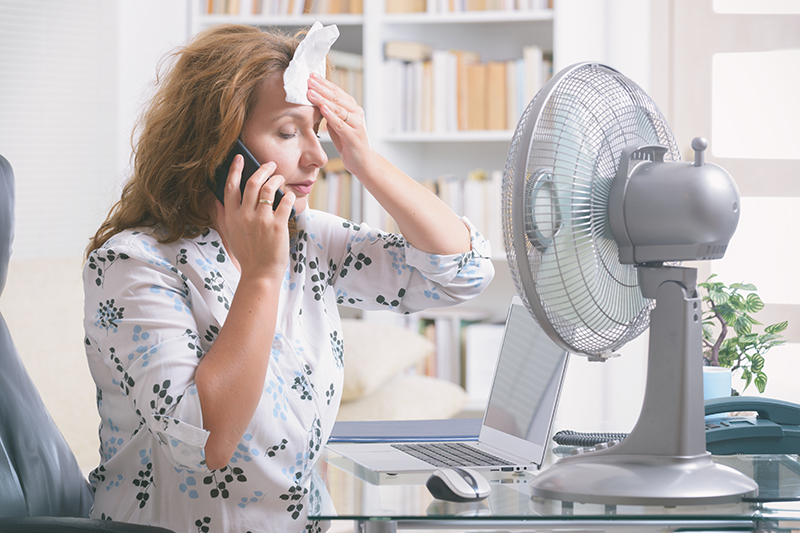
Sometimes, life moves incredibly fast. You could have sworn you just bought your air conditioner. But lately, it doesn’t seem to be working so well. You check the box and are shocked to find out you’ve had it for a decade. Where did the time go?
Continue Reading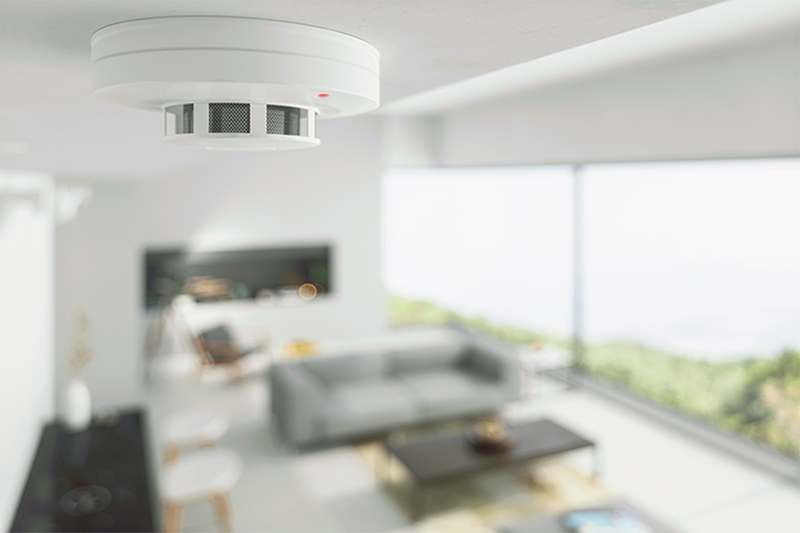
Carbon monoxide (CO) poisoning is known as the silent killer for a reason—it can easily go undetected and cause illness and even death. It’s critical to learn how to prevent carbon monoxide leaks in your Lawrence home—as well as what the symptoms of carbon monoxide poisoning are in case you are exposed.
Continue Reading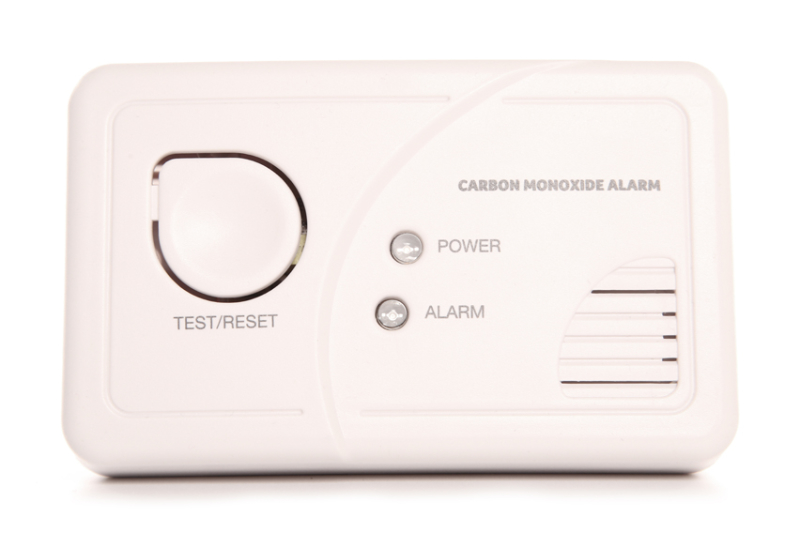
We often hear from Michigan customers who want to understand the risks of carbon monoxide (CO). At Field Plumbing & Heating, we’re glad to share as much information as possible.
Continue Reading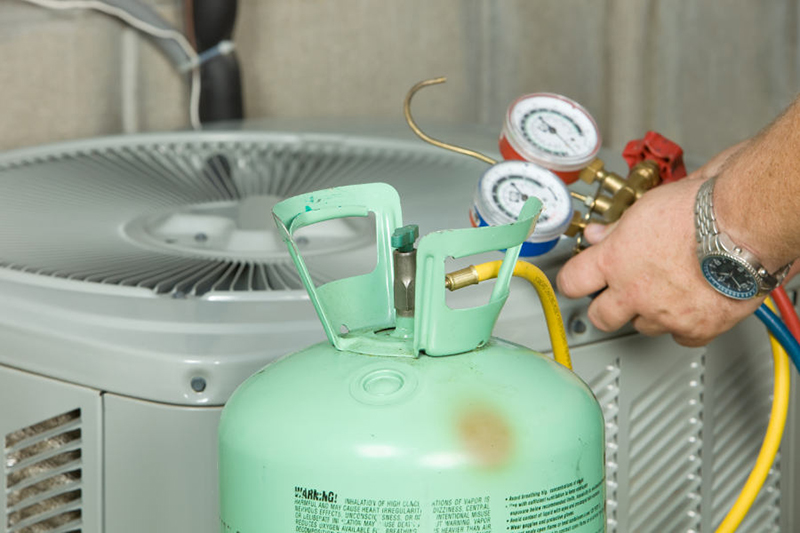
Have you already heard about the mandates set by US Environmental Protection Agency (EPA) regarding your home’s air conditioner refrigerant?
Continue Reading
It’s about to heat up here in South Haven. Make sure your air conditioner (AC) is primed for the Michigan summer heat rays by scheduling a seasonal maintenance visit.
Continue Reading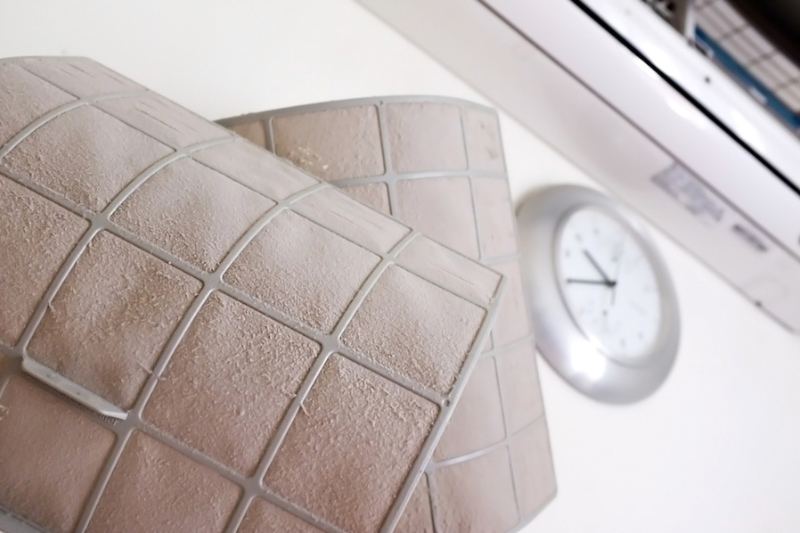
Fortunately, ductless units are much easier to maintain than an average central air system. That’s because air ducts are prone to dust buildup and leaks.
Continue Reading
Everyone loves to save money, and it’s a good idea to review different aspects of your budget now and again to see if there are more opportunities you have missed in the past.
Continue ReadingNeed HVAC Service?
Contact the experts at Field Plumbing & Heating.
Call us at 269-674-3839!